
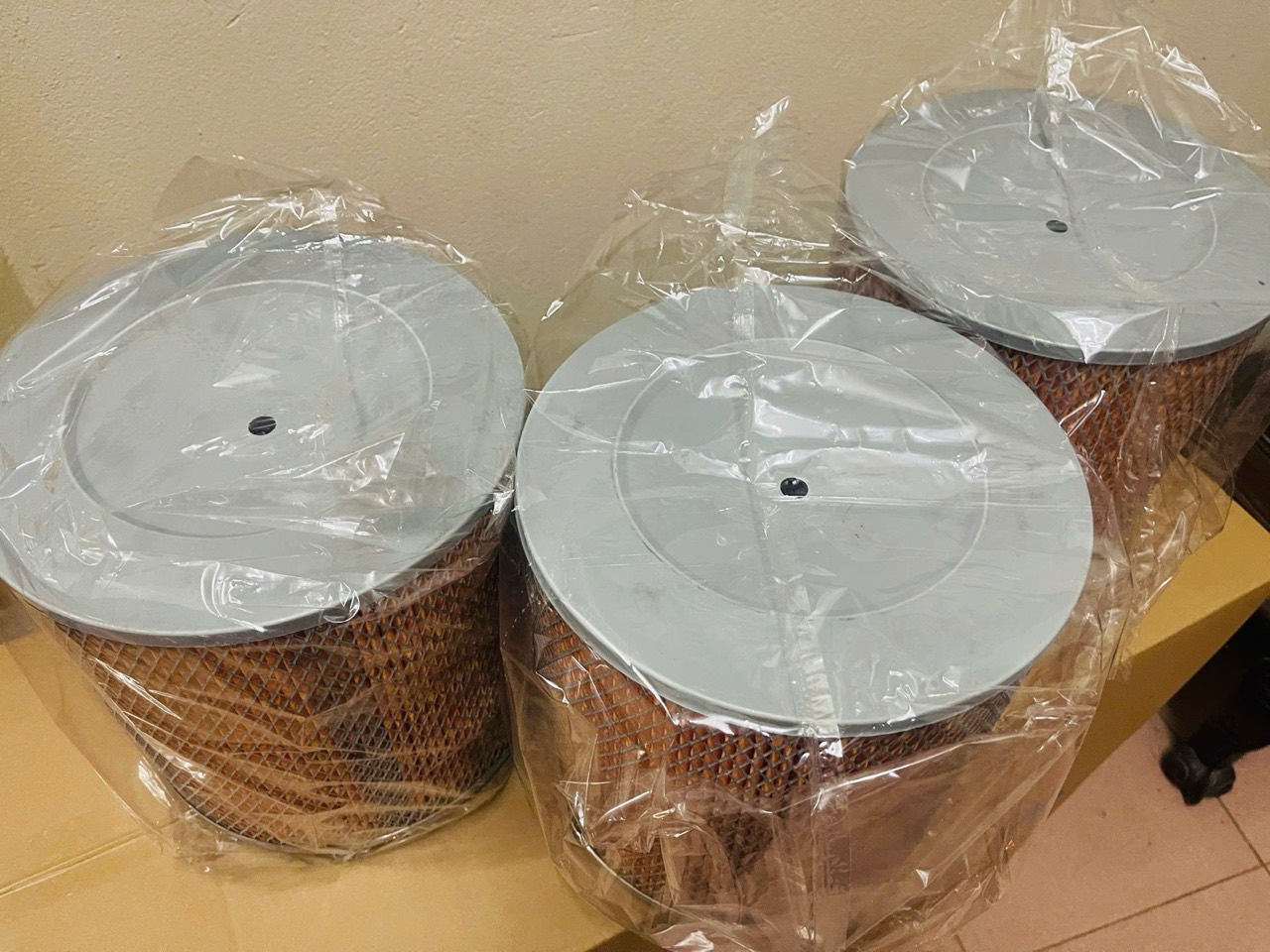
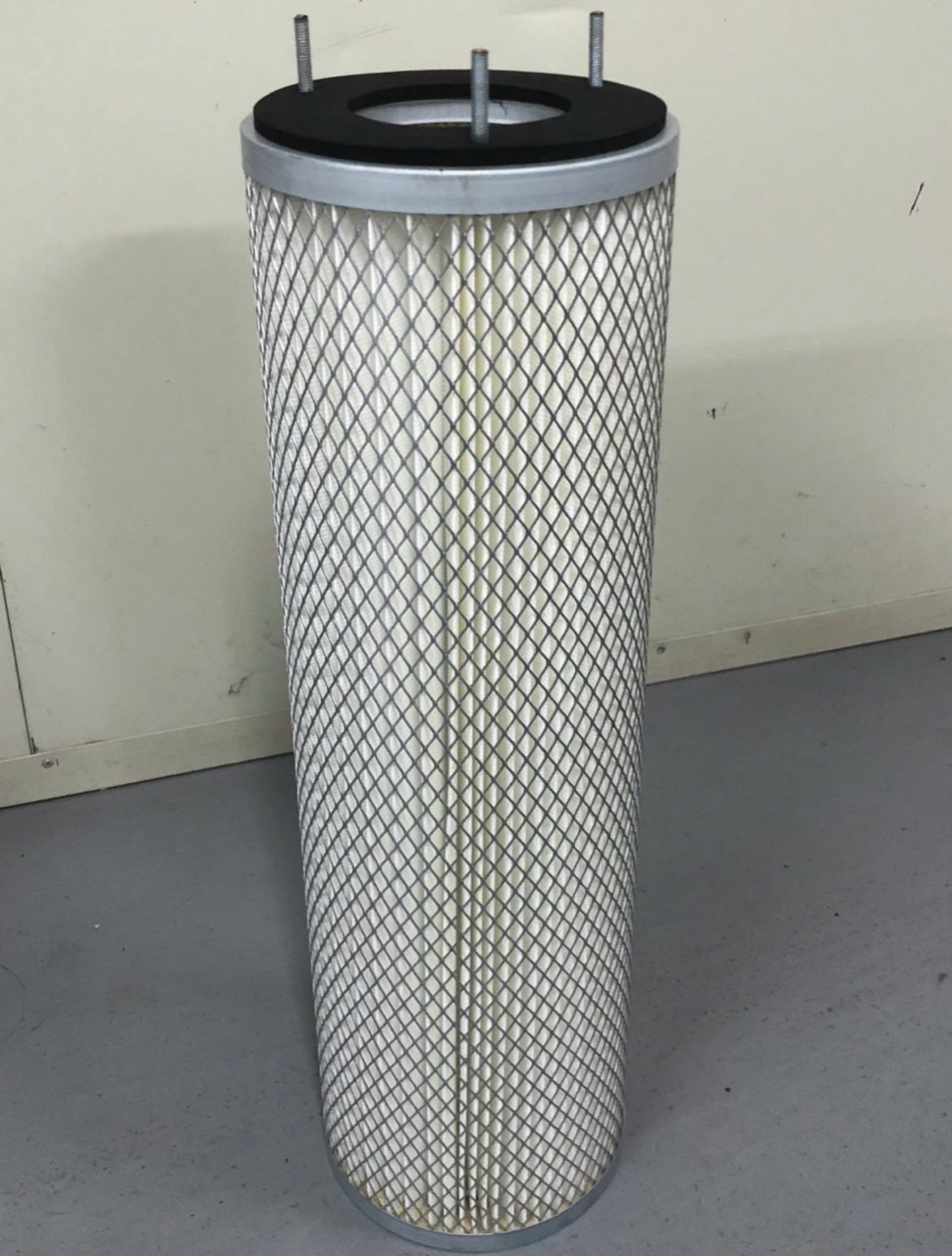
Cartridge Filter
| Variants | Air filter cartridge / liquid filter cartridge |
|---|---|
| Mechanism | Velocity drop + wall adhesion under driving pressure |
| Common materials | Pleated cellulose / polyester / PTFE membrane / sintered metal |
| Typical industries | Cement, metallurgy, pharma, medical, food, powder coating |
What is a Cartridge Filter?
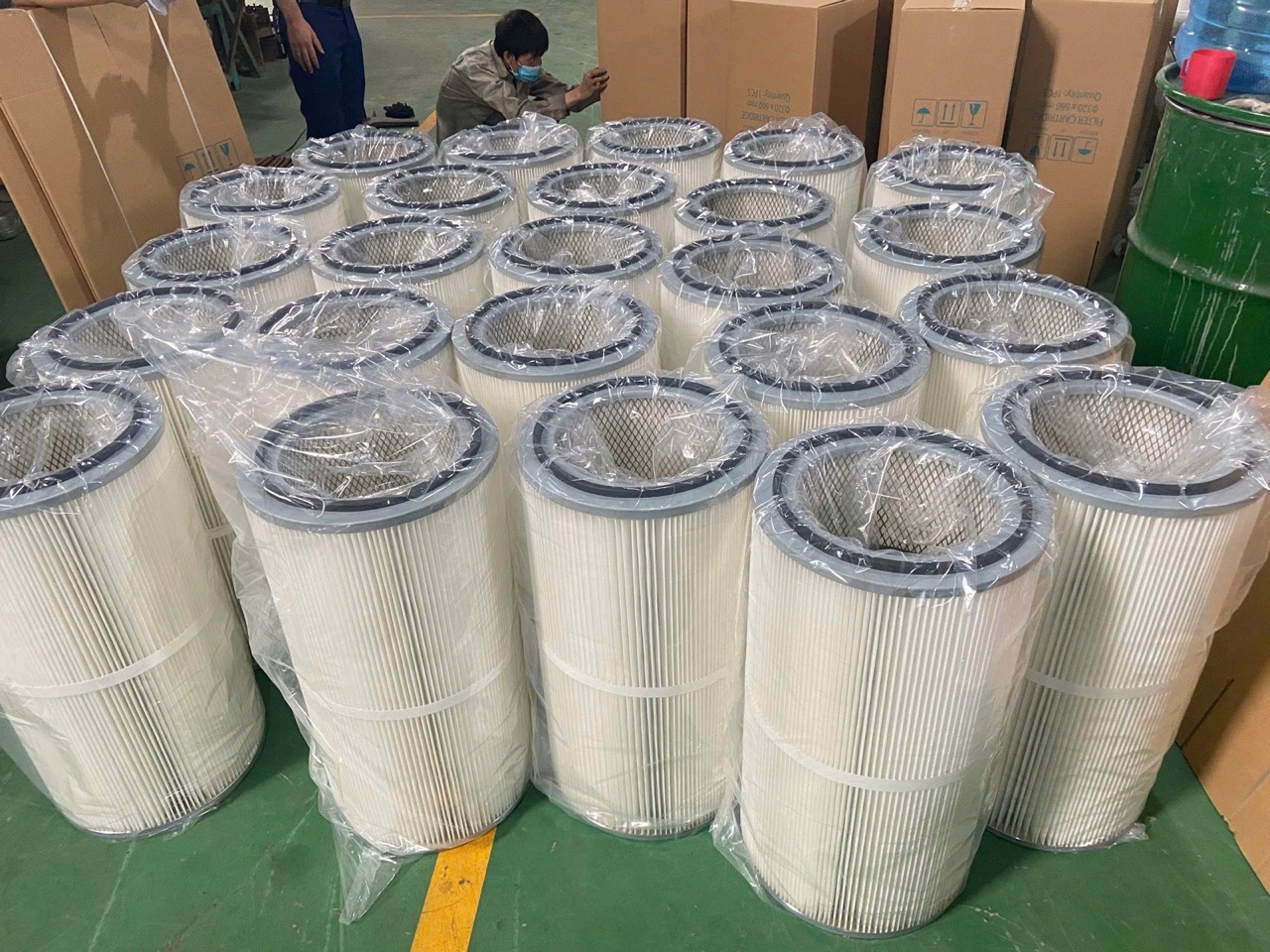
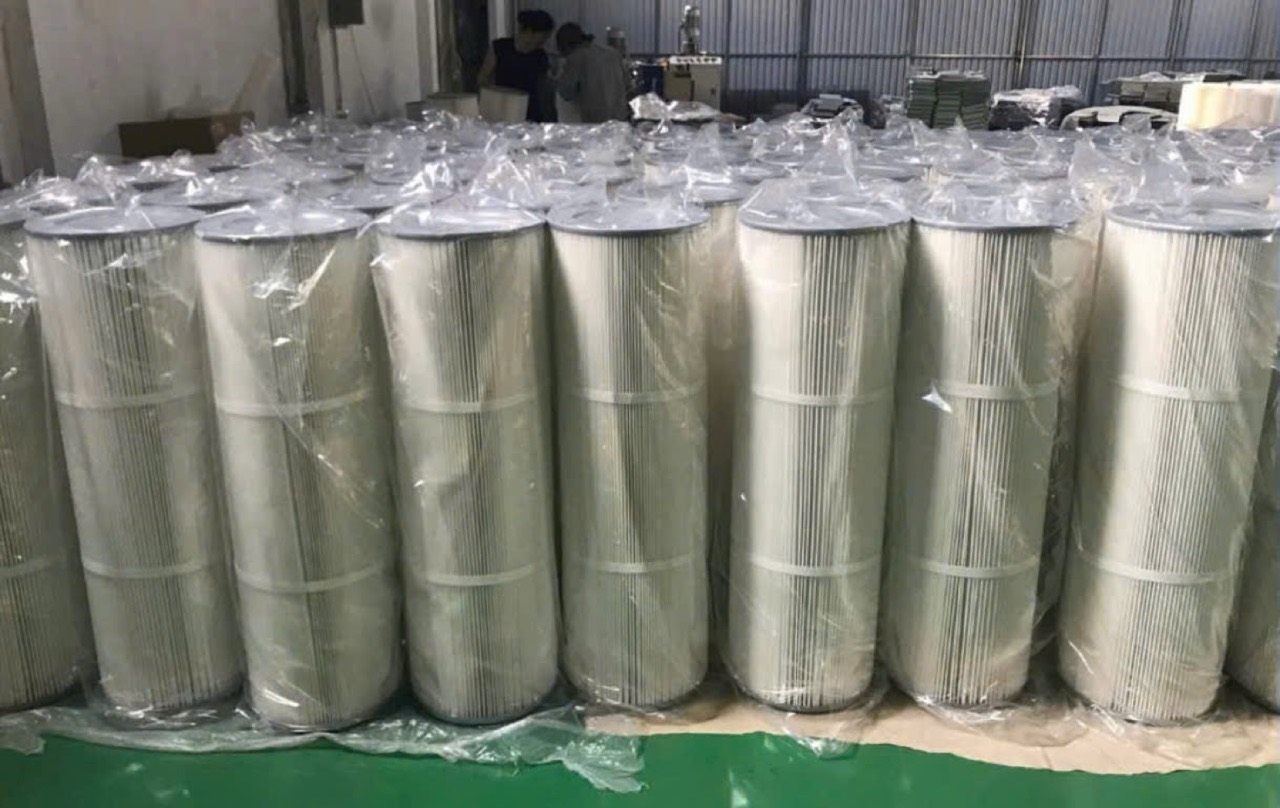
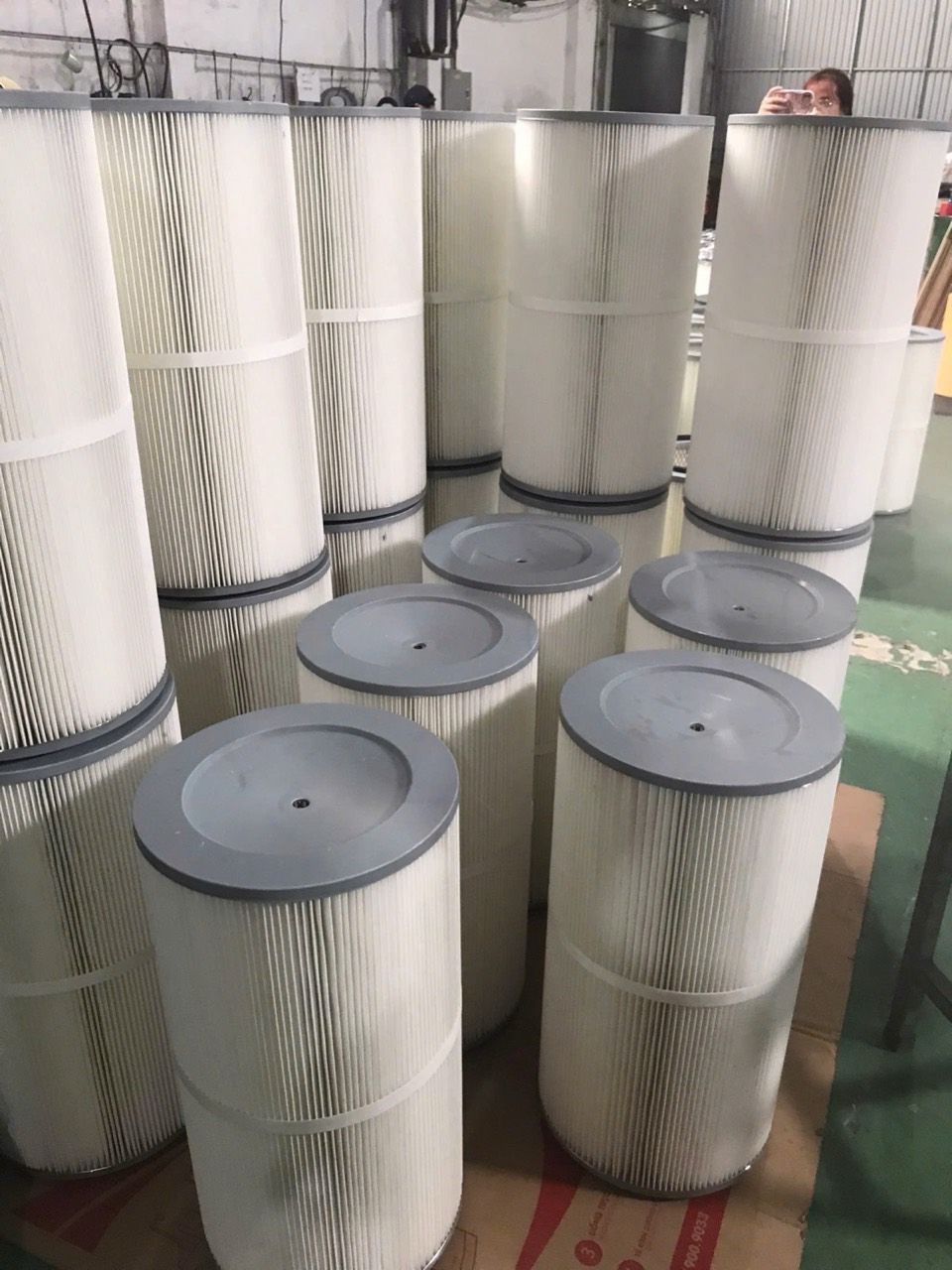
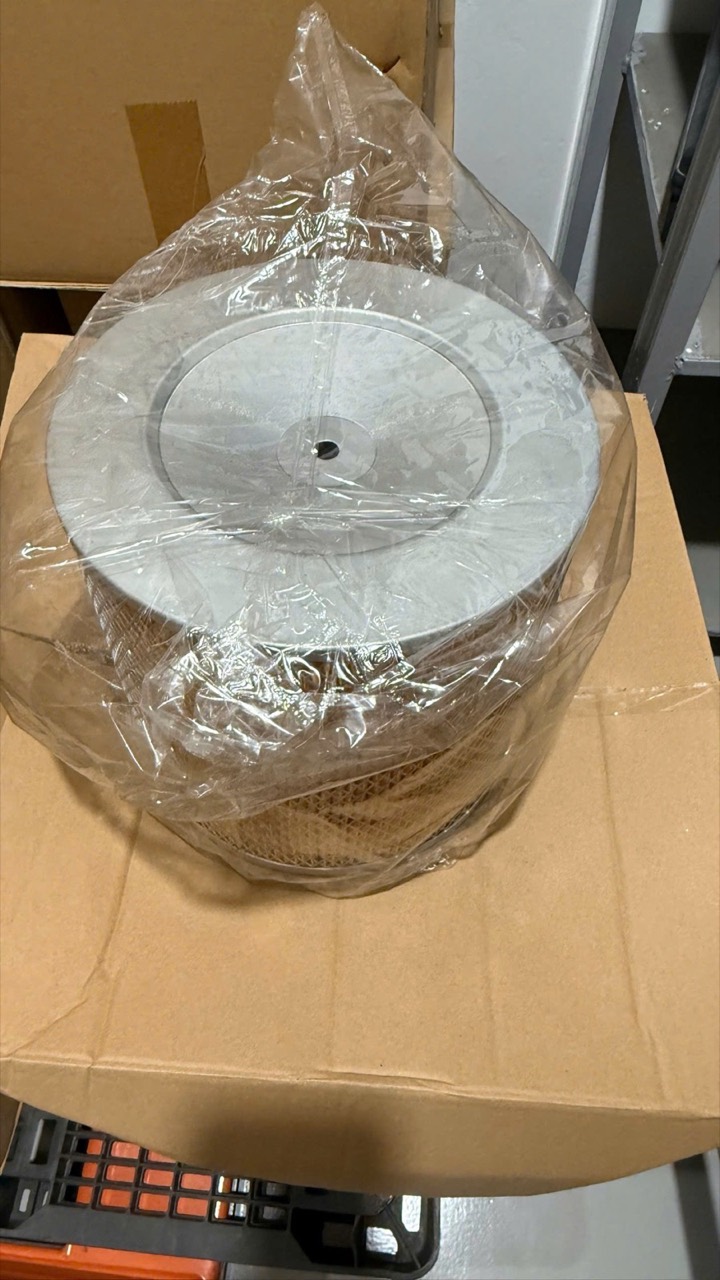
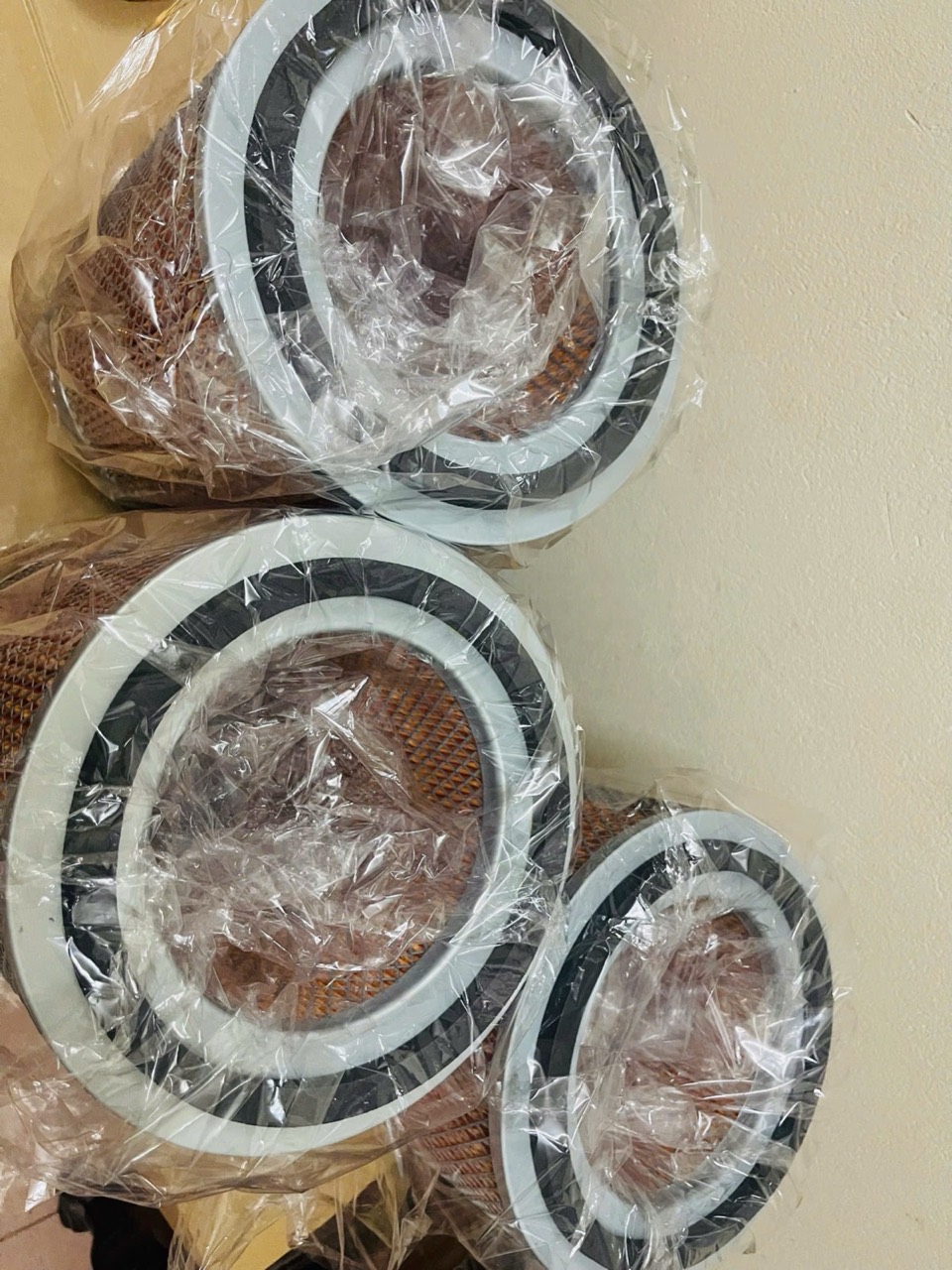
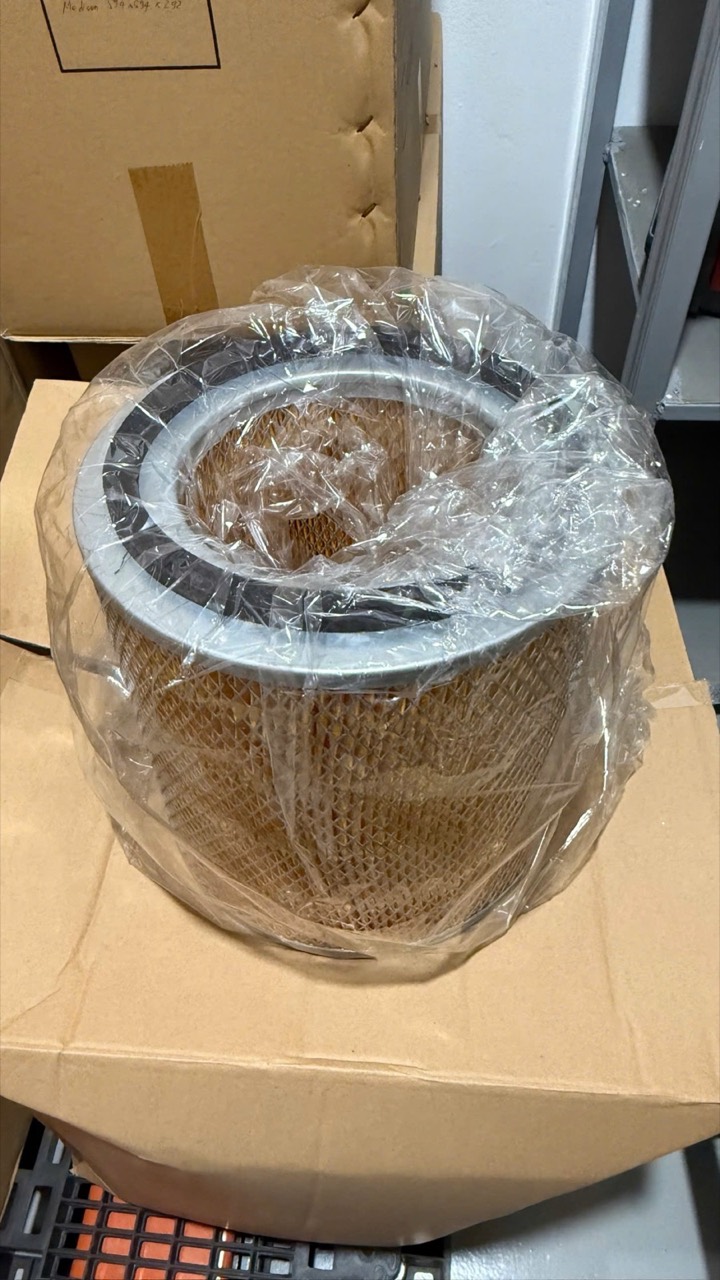
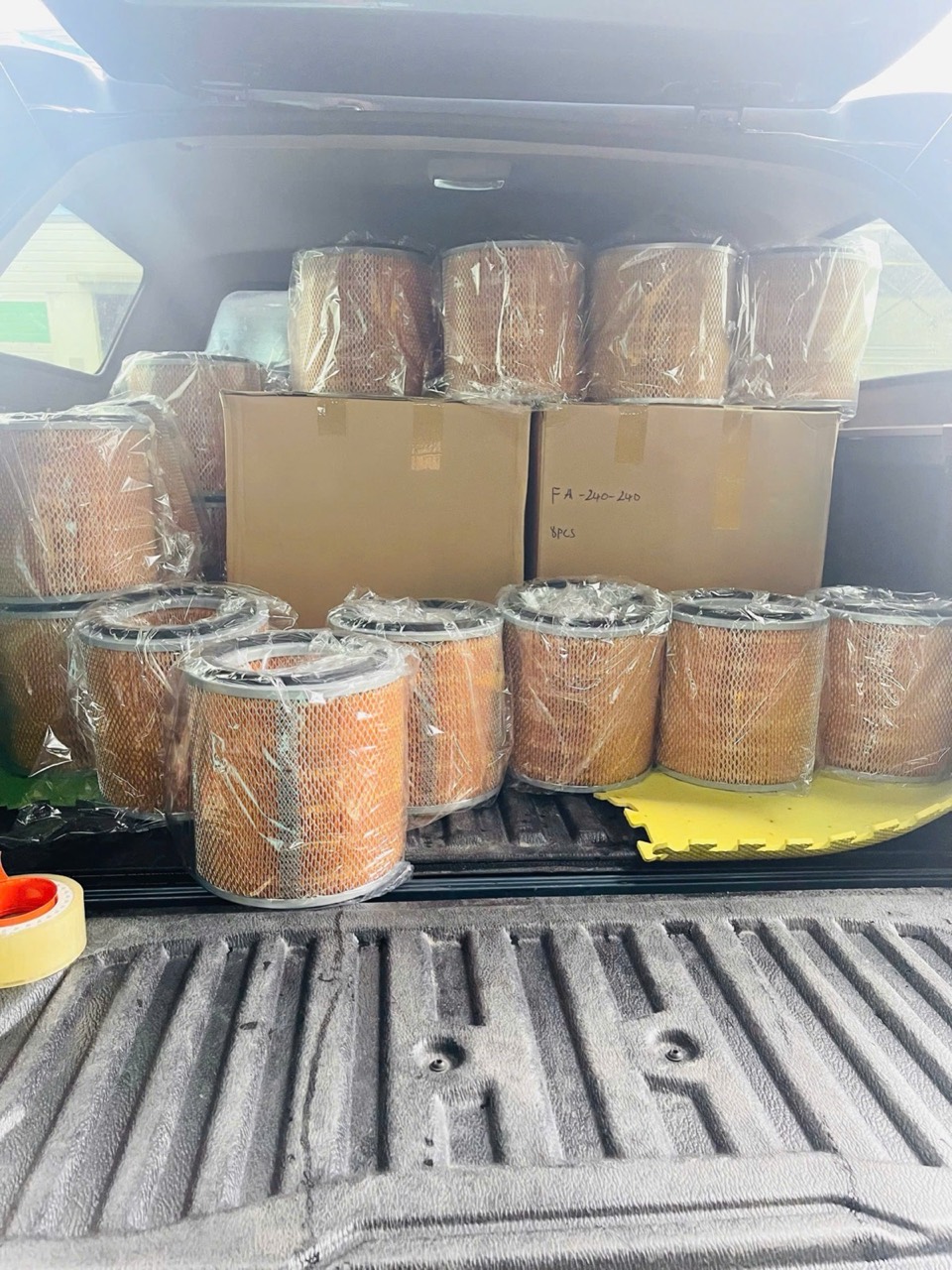
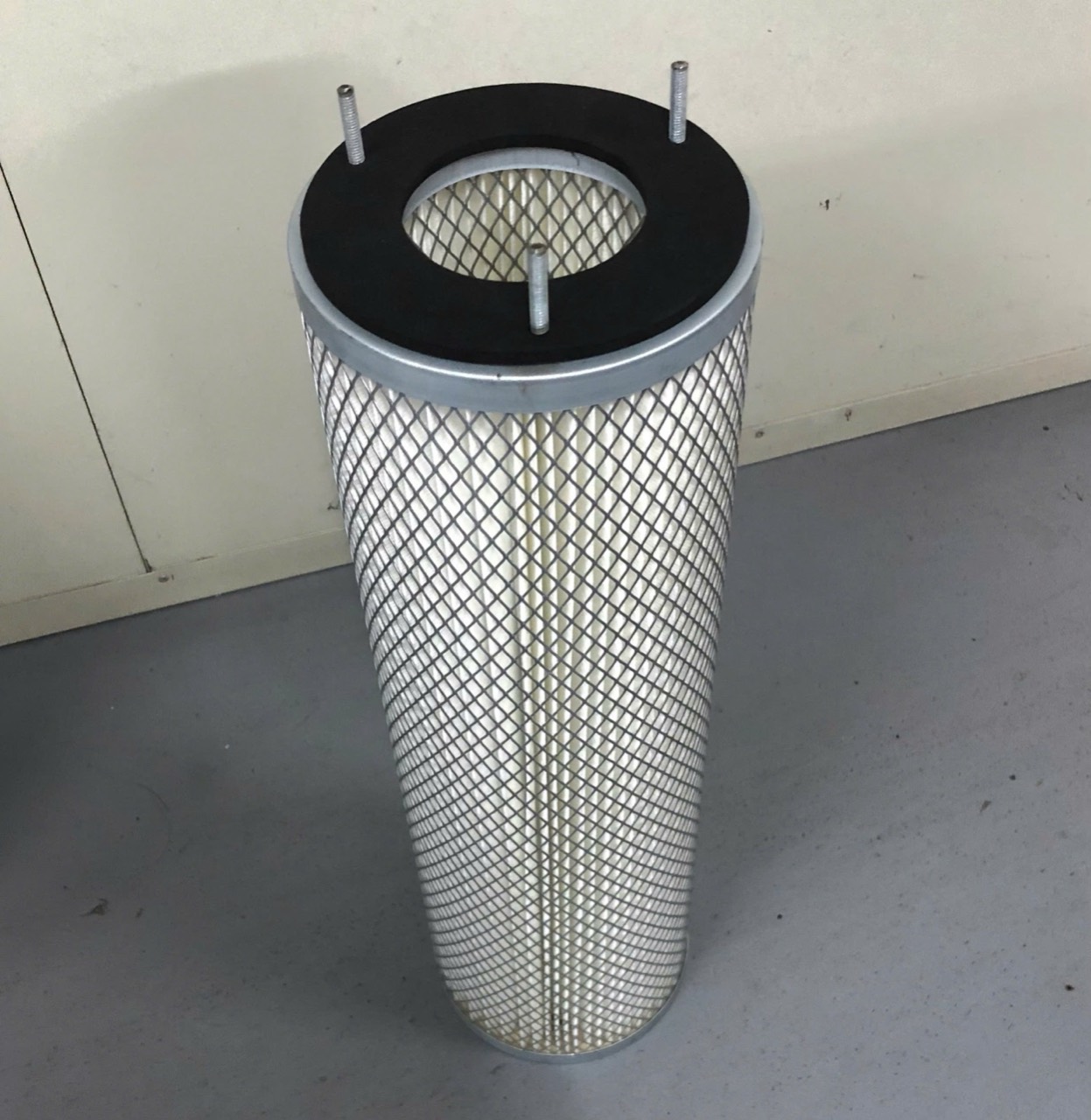
A Cartridge Filter is a specially designed cylindrical filter element used in both liquid and gas filtration to process and remove particulate, dirt, and other impurities.
There are essentially two variants:
- Air cartridge filter
- Liquid cartridge filter
They are used to remove dust, dirt, impurities, bacteria, viruses, and other contaminants from the working fluid.
How a Cartridge Filter Works
Contaminants are drawn into the cartridge wall by fan suction (gas filtration) or pump pressure (liquid filtration). Inside the cartridge, the flow velocity drops sharply on entry, so most of the targeted contaminants fall or settle out; the remaining fine particles are pressed against the cartridge wall by the pressure differential. Clean gas or liquid exits the cartridge.
Advantages
- Large filtration area per unit volume — high dust-holding capacity
- High filtration efficiency
- Low power consumption vs. equivalent surface area in other formats
- Filters a wide range of dust types, from fine talc to coarse foundry sand
- Field-replaceable; easy installation and turnover
Compare Cartridge Variants
Common industries: cement, metallurgy, pharmaceuticals, medical, powder coating.
- Large filtration area per unit volume — high dust-holding capacity.
- Low power consumption vs. equivalent surface area in other formats.
- Field-replaceable; no specialist tools required.
- Handles a wide range of dust types from fine talc to coarse foundry sand.